One Product, Five Angles: How to Vary the Message Without Inventing Benefits
Explore five perspectives for presenting the same product and build a campaign with distinct messages, clear proof and organized tests.
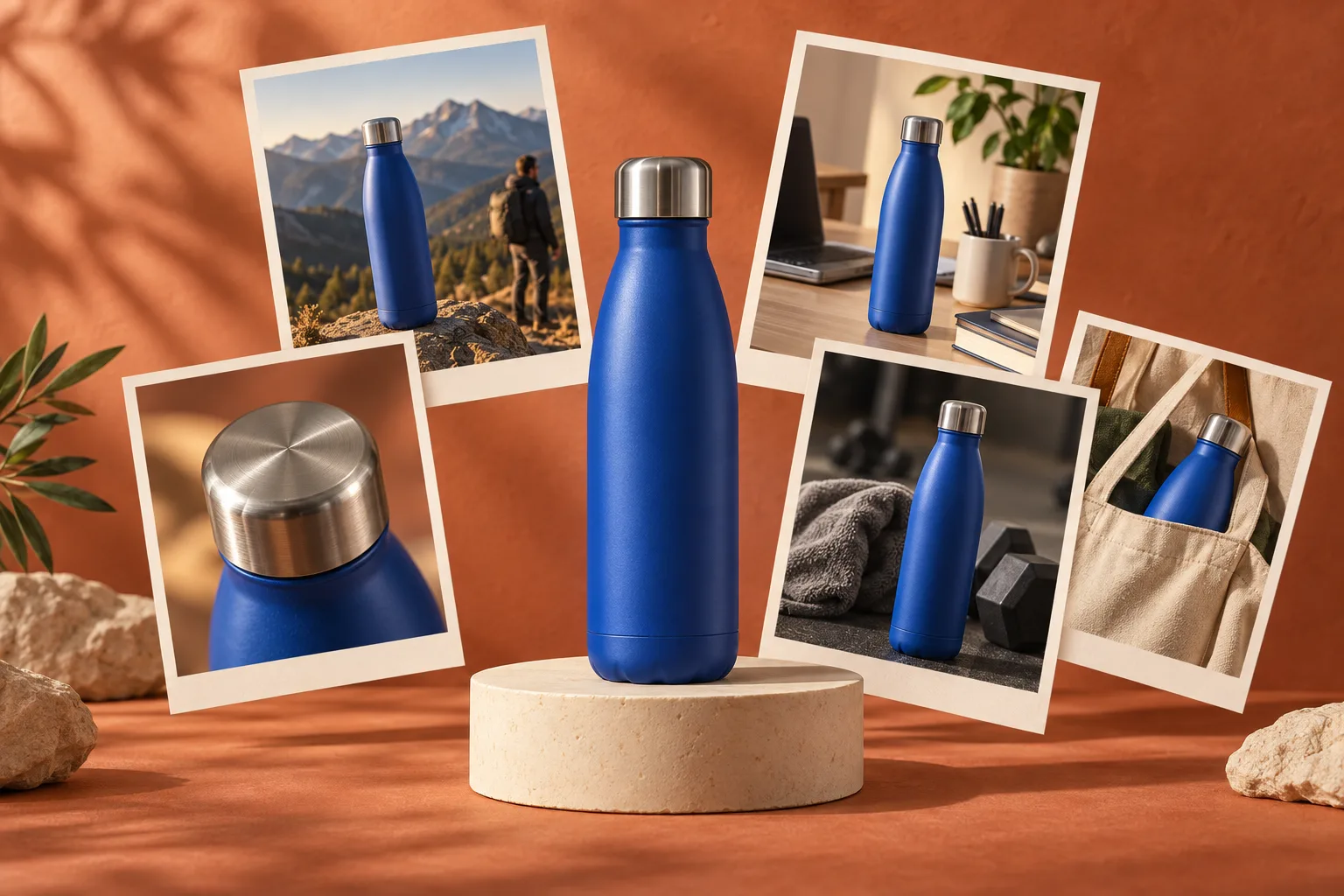
When a campaign starts to feel repetitive, the common reaction is to change the setting, the music or the color. These changes can refresh the look, but the message stays the same. A more interesting way to vary is to look at five different questions a person asks before choosing the same product.
An angle is the perspective of the communication. It is not a license to inflate the promise. The product feature stays the same; what changes is the situation that makes that feature relevant.
Choose a product with verified information
Let's use a fictional desk lamp. For the exercise, imagine the spec sheet confirms an adjustable arm, three light intensities and corded power. There is no battery and there is no study on effects on productivity.
These limits matter. The script can explain adjustment and lighting; it must not promise more focus, symptom relief or hours of operation without an outlet. Writing down what we know and what we do not know keeps creativity from inventing benefits along the way.
Angle 1: the everyday situation
Start with a recognizable moment: sharing the desk between reading and the computer. The central question is "how do you adapt the space to two tasks?".
Does your desk change roles through the day? This lamp has an adjustable arm so you can reposition the light. See the measurements and intensity options on the model page.
The setting can suggest a tidy desk, but a real photograph or demonstration should confirm the arm's movement and range. The situation gives context to the feature without attributing results that were not measured.
Angle 2: the detail that goes unnoticed
Here the attention goes to a spec that can influence the purchase. The cable, for example, seems secondary until the person discovers the outlet is far away.
Before choosing a lamp, check where the outlet is on your desk. This model uses corded power. Check the dimensions and plan the position before you buy.
It may seem odd to mention a limitation in an ad. However, this information helps the person assess compatibility and reduces the gap between expectation and the product received.
Angle 3: the comparison criterion
Instead of declaring the product "the best", teach a useful question for comparing models: does the adjustment fit the position where the person works?
When comparing lamps, notice how you can direct the light. An adjustable arm and a fixed base meet different needs. See how this model was designed and compare it with your space.
The comparison uses an explicit criterion. It does not need to disqualify competitors or turn a preference into universal superiority.
Angle 4: the first use
Show what the person should check when the product arrives. The video can guide choosing the spot, reading the instructions and identifying the controls, always following the real manual.
Did your lamp arrive? Before placing it on the desk, check the model's guidance. Find the intensity control and choose a spot compatible with the corded power.
This angle serves the relationship with people who already bought and also helps new buyers picture the use without resorting to an invented testimonial.
Angle 5: the informed choice
Say who the feature can be useful for and which conditions need to be considered. The focus moves from pressure to fit.
If you are looking for a lamp for a desk with an outlet nearby, this model is worth knowing. Compare the size, the adjustment and the available intensities before deciding.
It is not a performance promise. It is an honest presentation of conditions of use. The brand still invites people to buy, but it offers elements for the decision.
Turn the angles into a comparable campaign
Keep a record with the question, the evidence and the final action of each piece. If you want to compare openings, keep the rest of the script the same. If you change the entire message, treat the comparison as a concept test, because several elements will be varying together.
Distribution also affects how you read the results. Note where each video was published and in what period. Do not conclude that one angle is better just because it got more exposure.
On AvataReel, produce the approved scripts with an influencer and a voice that fit the brand. Review each result before using it. Organize the pieces in a creative library and start with the most useful angle for the question your audience is trying to solve right now.
Upload a photo, record your voice and type the script. Your first avatar is free.
Create my free avatar →